
ARTICLE: LOCAL GOVERNMENT IS THE WEAKEST LINK
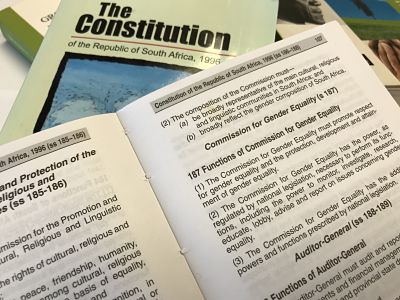 The results of overall 2016/2017 audit outcomes prepared by the Auditor-General (AG) of the 257 municipalities are in. The results are grim and make clear that the local government system in South Africa is failing. The crux of the AG’s report is that of the 257 municipalities audited‚ 45 regressed and only 16 improved. Only 33 municipalities (13%) managed to produce quality financial statements and performance reports and complied with all key legislation‚ thus receiving a clean audit.
The number of municipalities with clean audits decreased from 48 in 2015/2016, to 33. In addition, 112 municipalities received unqualified audit reports with findings, up from 108 in the previous year. Qualified audit outcomes increased from 60 to 66, and four municipalities got an adverse report with findings.
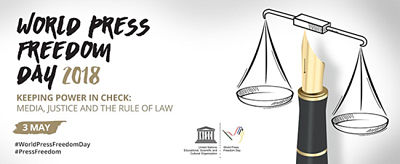 World Press Freedom Day falls on 3 May annually and is intended to commemorate and emphasise the fundamental principles of press freedom, assess the state of press freedom across the globe, defend the media from attacks on their independence, as well as to pay tribute to those journalists who have lost their lives in the line of duty.
  24 years ago, South Africans from all walks of life stood in snaking queues to cast votes in the nation’s historic first multi-racial democratic elections. The mood for most, was buoyant, if not a little uncertain, given the challenges that lay ahead for the nation.
 International and South African news has been consumed over the last few months with the tumbling of Steinhoff International N.V. (Steinhoff) and the sudden resignation of its former Chief Executive Officer (CEO), Markus Jooste (Mr Jooste). Following the announcement of suspected accounting irregularities in Steinhoff’s financial statements, the fall in Steinhoff shares has, according to media reports, wiped out over R200 billion in market capitalisation. At the time of announcement, the Government Employees Pension Fund was, through the Public Investment Corporation, the second largest shareholder in Steinhoff.
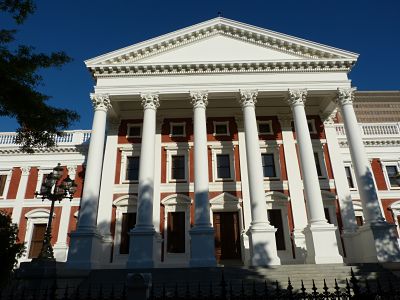 The Prevention and Combating of Hate Crimes and Hate Speech Bill (the Bill) has recently been tabled before Parliament. It is an improved version of its 2016 predecessor, which was then in draft form. In an open and democratic society, the freedom to express ideas is important, but that freedom has to be underpinned by considerations of other values including dignity, equality and freedom. It is this delicate balance which the Bill by and large successfully achieves.
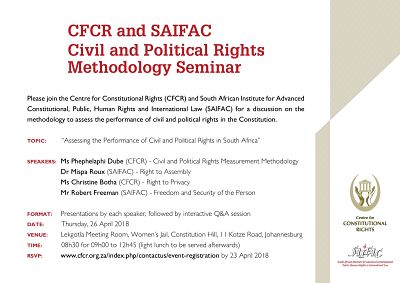 TOPIC: ASSESSING THE PERFORMANCE OF CIVIL AND POLITICAL RIGHTS IN SOUTH AFRICA
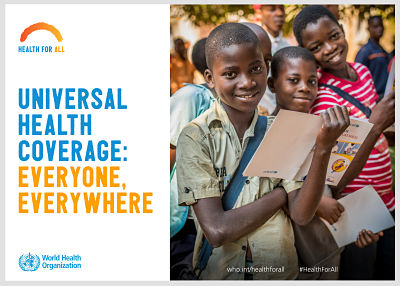 On 7 April 2018, World Health Day – the global health awareness day initiated by the World Health Organisation (WHO) – is celebrated. The theme for 2018 is universal health coverage, urging governments to actively pursue making access to essential quality healthcare services available to everyone. This theme is in line with the State’s obligation to healthcare in terms of section 27(2) of the Constitution, to take “reasonable legislative and other measures within its available resources” to achieve the “progressive realisation” of the right.
  THE CONSTITUTION AND GOOD PUBLIC LEADERSHIP: BREAKFAST DISCUSSION SERIES 2018
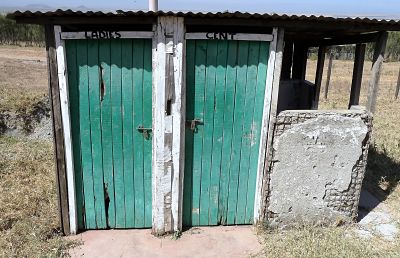 The nation came to a standstill in 2014 when Michael Komape, a five-year-old Grade R pupil, went missing at school. He was later discovered, dead, at the bottom of a collapsed pit latrine at his school in Limpopo. The pit latrines were the only available sanitation options for the learners. In March 2018, four years later, the body of another Grade R pupil, five-year-old Lumka Mkhethwa, was found after she, like Michael, disappeared from her classroom in rural Eastern Cape (EC). She was found, again like Michael, dead at the bottom of a pit latrine at her school.