STATEMENT: PARLIAMENT – REAPING WHAT IT SOWS
 The Centre for Constitutional Rights (the CFCR) notes with great concern the events of 12 February 2015 surrounding the joint sitting of Parliament, and State of the Nation address.

The Centre for Constitutional Rights (the CFCR) notes with great concern the events of 12 February 2015 surrounding the joint sitting of Parliament, and State of the Nation address.
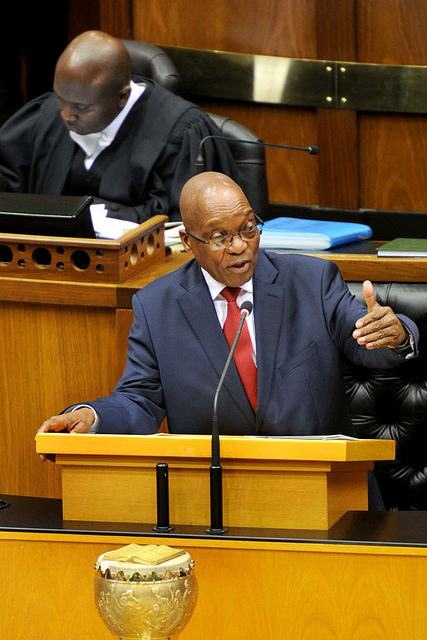 When will the President be answering questions in the National Assembly again?
 The Centre for Constitutional Rights (the CFCR) welcomes, in principle, a judgment delivered by the Constitutional Court in which it confirmed that the South African Police Service Act 68 of 1995 as amended (the Act), was still inconsistent with the constitutional obligation to create a structurally and operationally independent anti-corruption unit.
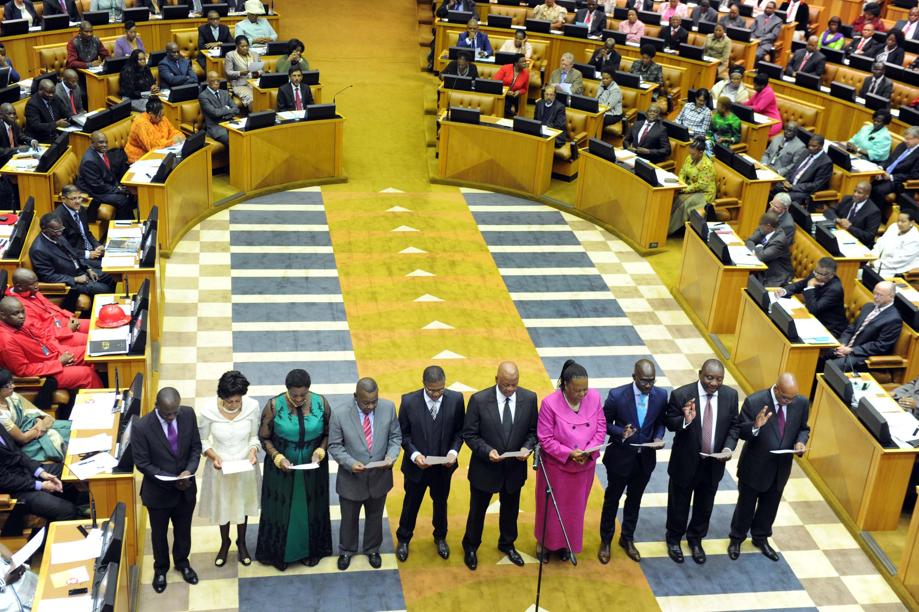 South Africa, by virtue of section 1 of the Constitution, is a democratic state founded on, among others, the value of “a multi-party system of democratic government, to ensure accountability, responsiveness and openness“.

The Centre for Constitutional Rights (the CFCR) notes with great concern recent developments in the National Assembly that clearly undermine the independence and powers of Parliament, as provided for in the Constitution.
 Recent events – both in Parliament and the public sphere – highlight the inherent tension in the Constitution, through the requirement that the Public Protector account to Parliament, while simultaneously requiring the Public Protector hold the same institution accountable.
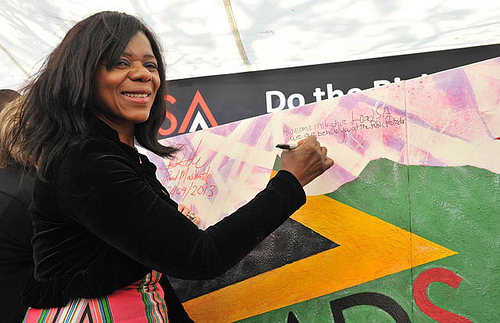 The Public Protector has come under increased fire from some political parties, organisations and individuals for the manner in which she exercises the powers afforded to her by the Constitution. This criticism is unfounded – both in context of the Constitution as well as the Public Protector Act (the Act).
 The Economic Freedom Fighters (the EFF) are causing an uproar inside and outside the hallowed hallways of Parliament.
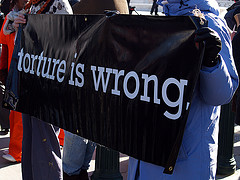 Today marks the United Nations International Day in Support of Victims of Torture. The day is dedicated to the total eradication of torture and other cruel, inhuman or degrading treatment or punishment. This day also seeks to promote the effective functioning of the Convention Against Torture and Other Cruel, Inhuman or Degrading Treatment or Punishment (the Convention) which was adopted by the United Nations General Assembly in December 1984 and entered into force on 26 June 1987.