
ARTICLE: THE NEED TO ADDRESS LIVED REALITIES OF INEQUALITY – LEGAL RECOGNITION FOR RELIGIOUS MARRIAGES

To reflect the realities of a diverse society, the Constitution broke away from the dominant colonial view of family dynamics. The Constitution provides that everyone has the right to “freedom of conscience, religion, thought, belief and opinion” and to enjoy and practice their culture and religion – on the condition that it is in line with the Constitution.
Although the institution of marriage is not recognised as a right, the Constitutional Court held in 2006 in Minister of Home Affairs and Another v Fourie and Another that marriage is a fundamental unit of our society. Further, it held in 2015, in DE v RH, that the institution of marriage has “constitutional significance”. The Constitution, in contrast to many strict secular systems, even goes as far as providing in section 15(3) that the legislature is not prevented from drafting legislation recognising marriages concluded under any religious system or tradition – on the condition that it is not at odds with other constitutional rights.
CASE DISCUSSION: THE RIGHT TO PRIVACY IN CONTEMPORARY SOUTH AFRICA – MINISTER OF JUSTICE AND CONSTITUTIONAL DEVELOPMENT AND OTHERS V GARETH PRINCE AND OTHERS
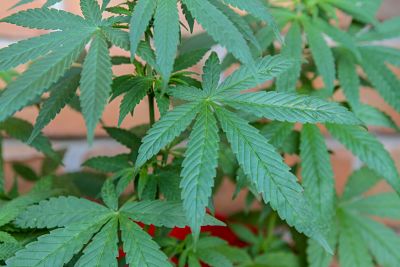
On 18 September, the Constitutional Court ruled in a landmark judgment concerning the possession, purchase, use and cultivation of cannabis for private use. The case was a confirmation of a previous order of the Western Cape High Court (High Court). The High Court held that the criminalisation of the possession, purchase, use and cultivation of cannabis under the auspices of the Drugs and Drug Trafficking Act (Drugs Act) and the Medicines and Related Substances Control Act (Medicines Act) was unconstitutional and declared the impugned provisions invalid. The High Court further suspended the order of invalidity for 24 months to allow Parliament to cure the offending legislation.
STATEMENT: BEGIN AT HOME, MINISTER MOTSHEKGA
On 17 September, Minister for Basic Education, Angie Motshekga, announced that Kiswahili has been approved as a second language on offer to schools.