
ARTICLE: THE AGE OF NO CONSEQUENCES (AND LYING)

The Life Esidimeni tragedy, in which 143 psychiatric patients lost their lives, often in painful circumstances, subject to inhumane conditions, is replaying before our very eyes. This, as part of the arbitration hearing proceedings are televised on news channels daily. While watching the painful interrogation of former Director of Mental Health in Gauteng, Makgabo Manamela by former Constitutional Court judge Dikgang Moseneke, and hearing her often repeated remark “it was not my fault”, one cannot help but think that we have entered a political age of no consequences.
In his testimony to a parliamentary inquiry on Eskom, the former Chairman of the Board, Zola Tsotsi, made statements under oath that seriously implicated the relevant Minister, Lynne Brown, as being part of the state capture process, resulting in losses or misspent funding of millions of Rands. Minister Brown’s now notorious remark in response to this, that “one of us is lying” falls into the same category of no consequences. And Bathabile Dlamini’s arrogant and cavalier attitude about the Post Office contract with SASSA brings the same to mind: she simply does not take responsibility for her mandated task to ensure that 17 million poor South Africans get their social grants in time.
ARTICLE: SHOULD SECTION 29(2) OF THE CONSTITUTION JUST BE REMOVED?*
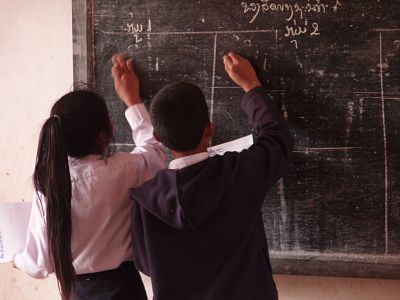
In his reply to the avalanche of criticism on the proposed amendments to the Schools Act, Mr Panyaza Lesufi, MEC for Education in Gauteng, recently said that “economically and educationally the country cannot afford single-medium schools (read: Afrikaans-language schools) when the demand for education is so great”.
Before the merit of this statement is examined, it must first be determined what the facts are. There are more than 25 000 schools in the country, of which 15 000 are English single-medium schools, 1 200 are Afrikaans single-medium, with about 1 300 additional schools using both Afrikaans and English. This equates to approximately 10% of schools using Afrikaans as language of instruction. But only 5% of all schools in the country are Afrikaans single-medium. In Gauteng, Lesufi’s province, of 2 080 schools, only 124 are Afrikaans single-medium schools – 5.9% of all schools. There is an estimated shortage of 159 schools in Gauteng. The reason for this is not primarily a lack of capital, but rather poor planning and the consequent failure to build more schools.
ARTICLE: WHEN COURTS INTERVENE TO SAVE THE POOR
The ongoing SASSA debacle is setting off unprecedented concerns, including but not limited to ineffectual leadership by the Minister of Social Development, allegations and counter-allegations between SASSA and SAPO as potential service provider, and crucially that of dragging the justice system into administering a failing political process.