Support the work of the FW de Klerk Foundation
For more information regarding donations contact info@fwdeklerk.org or scan the QR code below
FW DE KLERK FOUNDATION SUBMISSION ON THE WATER SERVICES AMENDMENT BILL
Issued by Ismail Joosub on behalf of the FW de Klerk Foundation on 02/03/2026
The FW de Klerk Foundation has submitted detailed written comments to Parliament’s Portfolio Committee on Water and Sanitation on the Water Services Amendment Bill, 2025. The submission supports the Bill’s core objective of strengthening regulation and accountability in the water sector, while proposing targeted amendments to ensure full alignment with the Constitution and the cooperative governance framework.
South Africa’s water crisis has reached a systemic level. National audit findings show widespread infrastructure failure, unsafe drinking water in many municipalities and billions lost annually through leakage and mismanagement. In his 2026 State of the Nation Address, the President acknowledged that water outages are now among the most serious daily concerns facing communities and confirmed that weak municipal planning and maintenance are central causes. Legislative reform to improve competence and consequence management in water services is therefore both necessary and urgent.
The Foundation supports the introduction of a national licensing system for water service providers and stronger enforcement powers where services collapse. These measures can raise professional standards, prevent unqualified operators from managing essential infrastructure and protect the constitutional right of access to sufficient water. However, the submission cautions that certain provisions risk concentrating excessive regulatory control at national level and could undermine the constitutional autonomy of municipalities if not carefully limited and procedurally safeguarded.
Accordingly, the Foundation calls for clear licensing criteria, fair appeal and review mechanisms, transparent enforcement processes and structured national and provincial support for municipalities that lack capacity. These refinements would ensure that the Bill strengthens municipal water delivery rather than displacing it, while preserving cooperative governance and administrative justice.
Ismail Joosub, Manager of Constitutional Advancement at the FW de Klerk Foundation, said: “South Africa’s water crisis is not primarily a crisis of scarcity, but of governance. Firm oversight and clear consequences are essential to protect people’s constitutional right to water, but reform must build capable municipalities, not bypass them. The law must restore accountability without eroding the constitutional architecture that assigns service delivery to local government.”
The Foundation will seek to present oral submissions should Parliamentary hearings be convened.
Click here to read the full submission.

FOLLOW-UP: IEC CORRECTS ELECTORAL REGULATIONS AFTER CONCERNS RAISED
The FW de Klerk Foundation welcomes the IEC’s correction of Regulation 28F after concerns about an unconsulted amendment to electoral regulations. The correction restores the version published for public comment and affirms the importance of transparency, public participation and accountable electoral governance.

WHY YOUR VOTE IS DIRECTLY CONNECTED TO YOUR WALLET
The way public money is managed has a direct impact on household finances, particularly when failing services force residents to pay again for alternatives. The FW de Klerk Foundation’s “Your Vote. Your Wallet.” infographic highlights the link between informed voting, accountable government and the everyday cost of service delivery. South Africans are encouraged to look beyond election promises, scrutinise municipal performance and remain engaged after casting their votes.
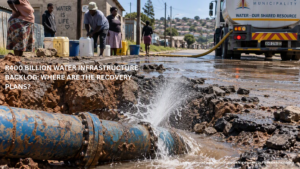
FW DE KLERK FOUNDATION CALLS FOR TRANSPARENT MUNICIPAL RECOVERY PLANS AMID R400 BILLION WATER INFRASTRUCTURE BACKLOG
South Africa faces an estimated R400 billion backlog to repair and upgrade ageing water infrastructure across 107 water services authorities. The FW de Klerk Foundation calls for transparent, municipality-specific recovery plans with clear deadlines, measurable milestones and accountable authorities. Reliable access to water is a constitutional right, and infrastructure spending must translate into measurable improvements in service delivery.