

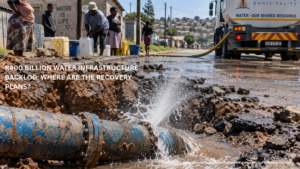
FW DE KLERK FOUNDATION CALLS FOR TRANSPARENT MUNICIPAL RECOVERY PLANS AMID R400 BILLION WATER INFRASTRUCTURE BACKLOG
South Africa faces an estimated R400 billion backlog to repair and upgrade ageing water infrastructure across 107 water services authorities. The FW de Klerk Foundation calls for transparent, municipality-specific recovery plans with clear deadlines, measurable milestones and accountable authorities. Reliable access to water is a constitutional right, and infrastructure spending must translate into measurable improvements in service delivery.
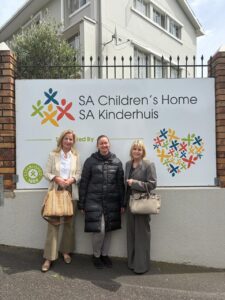
A VISIT TO THE SOUTH AFRICAN CHILDREN’S HOME
On Tuesday, 20 October2026, a delegation of the FW de Klerk Foundation comprising of Deputy Chairperson Christina Teichmann and Legacy Manager Brenda Steyn visited the SA Children’s Home in Gardens, Cape Town, where they met with Nina Crawford and Dico van Eeden to learn more about the home’s history and mission.
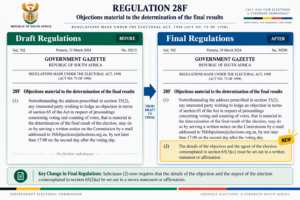
RED FLAG: NO OPPORTUNITY FOR PUBLIC COMMENTS ON FINAL VERSION OF ELECTORAL REGULATIONS.
The FW de Klerk Foundation has raised concerns about a change introduced into the final Municipal Electoral Regulations that was not included in the draft published for public comment. The Foundation argues that the addition of a sworn-statement requirement for election objections raises important questions about meaningful public participation, electoral transparency, and compliance with Constitutional Court principles governing post-consultation amendments.